The Rooky Wood Art Studio
and S.O.A.R information page
Works by Kate White
Welcome to The Rooky Wood Art Studio and Save Our Amazing Rooks (S.O.A.R.) information page.
This September-November 2026, NZ Regional Councils are sending contractors to begin poisoning the last of our Rooks. The poison campaign will target mothers and babies in their nests. The poison used is DRC1339 (Starlicide) and is classed as a 7G (inflicting very high levels of pain). According to this 2010 MAF paper (pg 6) https://www.mpi.govt.nz/.../4009-How-humane-are-our-pest... the use of DRC1339 on rooks created “ severe negative welfare impacts over a duration of hours”. DRC1339 is banned in the EU.
•It can take the Rooks up to 4 days to die (p 15. https://www.bionet.nz/.../A6-Pest-Rooks-2018-04-LR.pdf )
•Rooks are incredibly intelligent birds and are capable of making tools: https://www.qmul.ac.uk/.../rooks-show-insightful-and...
This last two years we have been researching Rooks' potential for biological grass pest control, seed dispersal, land aeration, dung and carrion break-down, and found that:
•NZ has a $2 Billion/year grass grub problem: https://www.tandfonline.com/.../10.../00288233.2018.1478860 necessitating the use of neurotoxic chemicals like Chlorpyrifos: (O,O-diethyl O-(3,5,6-trichloro-2-pyridinyl) phosphorothioate, which was recently banned by the EPA.
•The next options for controlling grass grubs include Sivanto Prime: flupyradifurone, Mavrik: tau-fluvalinate and Twinguard: 200 g/kg spinetoram and 200 g/kg sulfoxaflor. Look up these constituents- are these poisons truly what you want poured onto your soil, and on down the line into your food, year after year?
•There are 980,000 PAIRS of Rooks in the UK- same land mass, much the same agricultural climate and society. (p. 7: https://www.bto.org/.../apep4-population-estimates-birds... )
•The UK does not seem to have a grass grub problem. The UK runs bird deterrents during the brief 2-3 weeks that crops are germinating and vulnerable to Rooks, just like our orchards and vineyards are already doing.
•In New Zealand, even according to govt and councils, Rooks have demonstrated that “for much of the year” p. 41: https://www.hbrc.govt.nz/.../Hawkes-Bay-Regional-Pest... they perform organic biological pest control for a large range of grass pests.
•Rooks will eat walnuts and acorns before wheat or maize (see photos below). Knowing how much de-pesting help they give, a good permaculture producer will plant an extra row of trees for the birds. Shelter belts of walnuts and oaks on farms could be subsidised using funds previously allocated to the poisoning programme. (p. 572: https://www.tandfonline.com/.../03014223.1980.11760687...
•A 2018 OIA response from MPI shows there is no science behind the eradication of the Rook (message us for the pdf).
•Rooks pose absolutely no threat to native fauna (p. 35 2008 study: ”Distribution, abundance and control of the rook (Corvus frugilegus L.) in Hawke's Bay, New Zealand, 1969- 2006” https://www.tandfonline.com/.../10.1080/03014220809510544...
•Currently Rooks perform grass pest control for farmers on the following species: Coleoptera (beetles), Elateridae (click beetles), Scarabaeidae (dung beetle and chafer beetle, grass grub), Cerambycidae (longhorn beetles), Chrysomelidae (leaf beetle), Curculionidae (weevils), Hymenoptera (common and German wasps), Lepidoptera (moths and butterflies), Lepidoptera: Tortricidae (leafrollers), Noctuidae (moths), Geometridae (inchworm or looper moths), Orthoptera (grasshoppers, crickets), Teleogryllus commodus (black field cricket), Diptera (true flies), Tipulidae (Crane flies), Tabanidae (Horse flies), Calliphoridae (Blow flies), Muscidae family (house flies) (p. 122: http://cercetare.bio.uaic.ro/.../2012/142012faTarnoveanu.pdf )
•Lastly DRC-1339 and related vertebrate toxic agents are manufactured by Orillion (Animal Control Products Ltd), a New Zealand state-owned enterprise. The Minister for Biosecurity and the Minister of Finance hold 50% each of the shares. Public agencies then purchase those products for pest programmes. This structure at least warrants independent scrutiny around welfare claims and whether there may be a conflict of interest underlying the purchase and continued application of certain products.
We have opened up conversation with the HBRC Biosecurity division, and over the next few weeks, our organisation S.O.A.R. (Save Our Amazing Rooks) will be generating a parliamentary petition and producing bumper stickers, downloadable posters and letter templates. Send us an email to have your name and contact details on our list so we can let you know when our tools are available: therookywood@outlook.com Thank you.
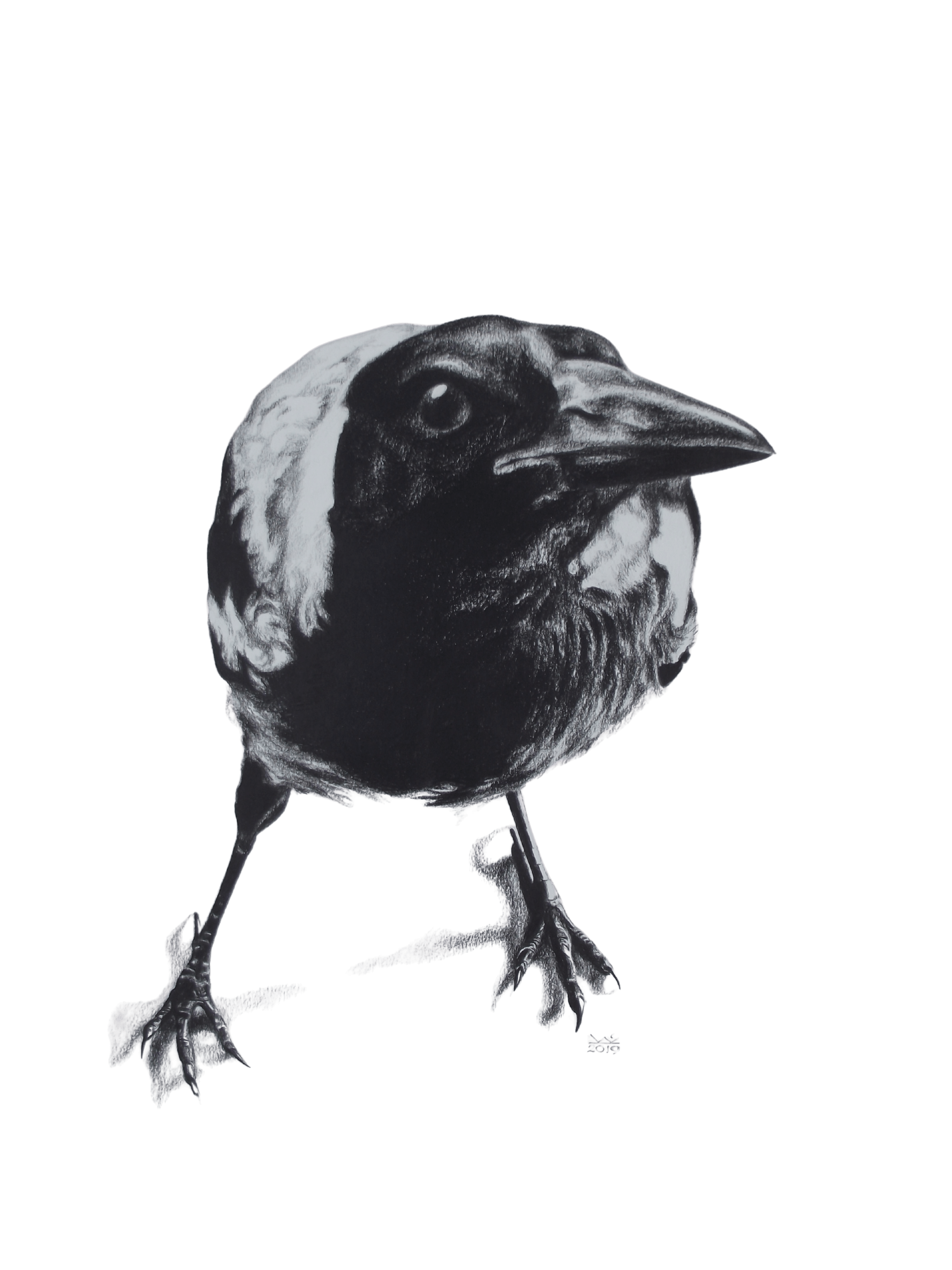
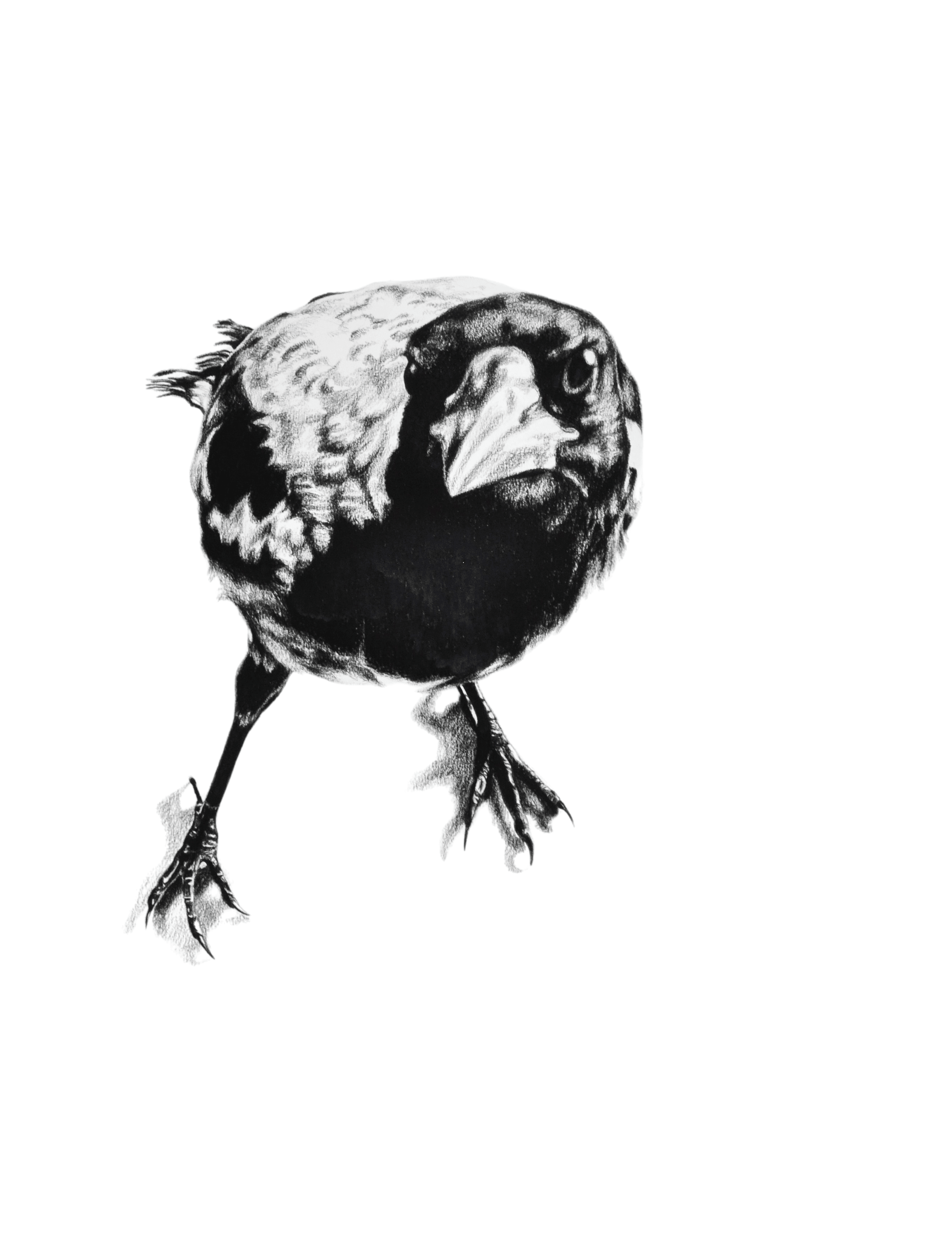
Three streams of work flow from the Rooky Wood Studio
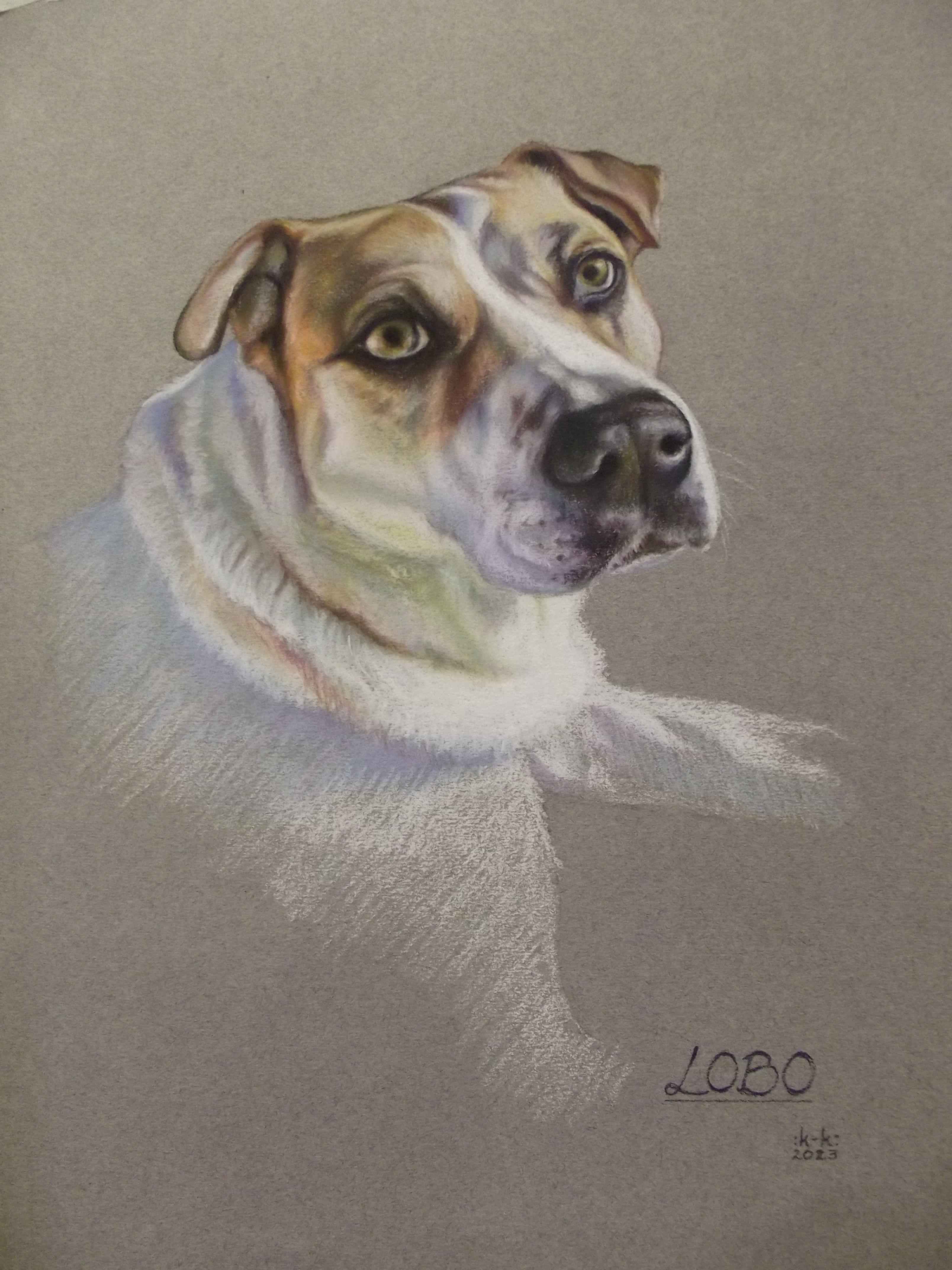
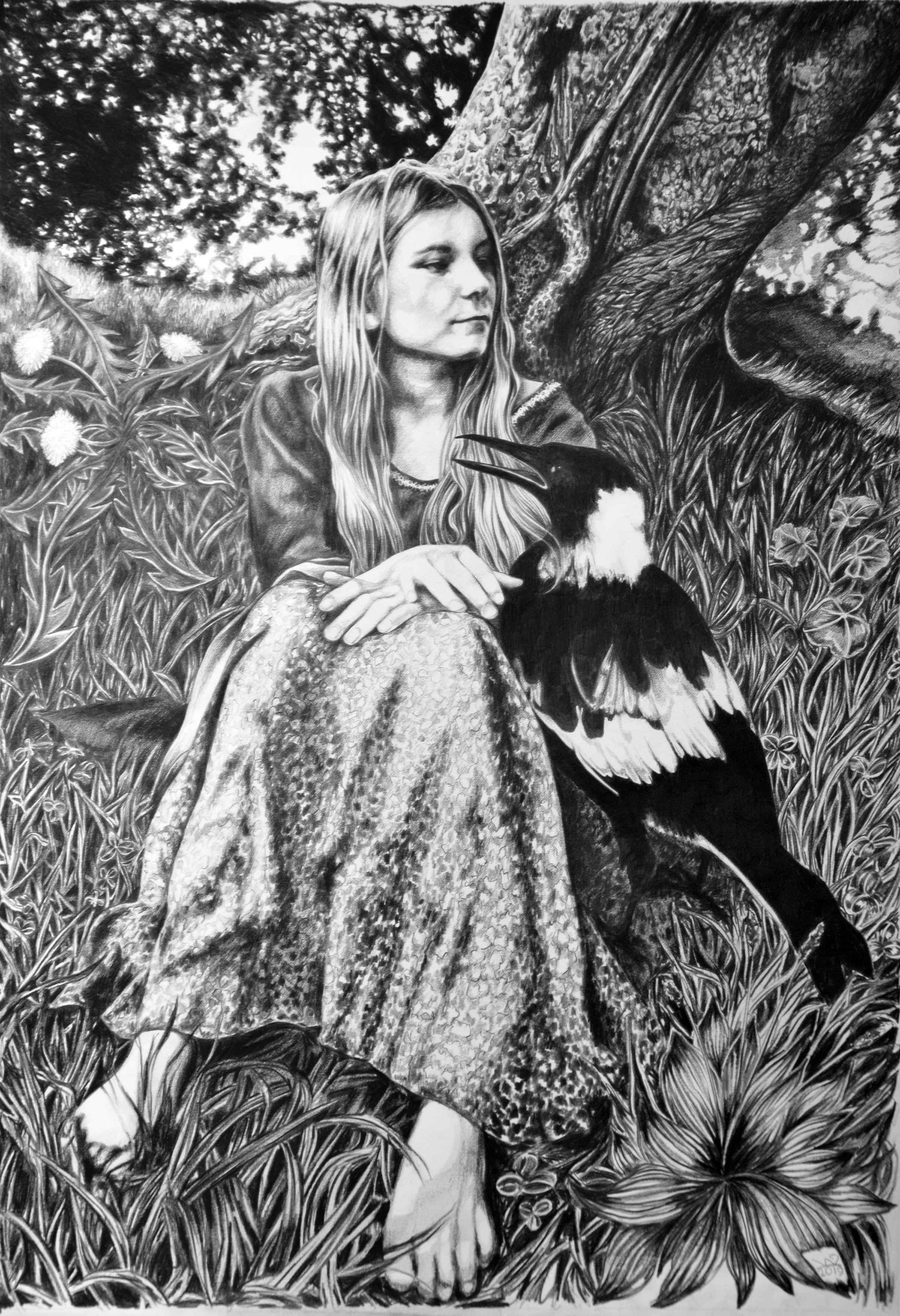
Portraits in Chalk Pastel * Fine Art * Small Wares
These can be viewed in my Archive and bought or ordered in my Shop. To see each page just click on one of the leaf buttons below: